Author: Cultivate SG

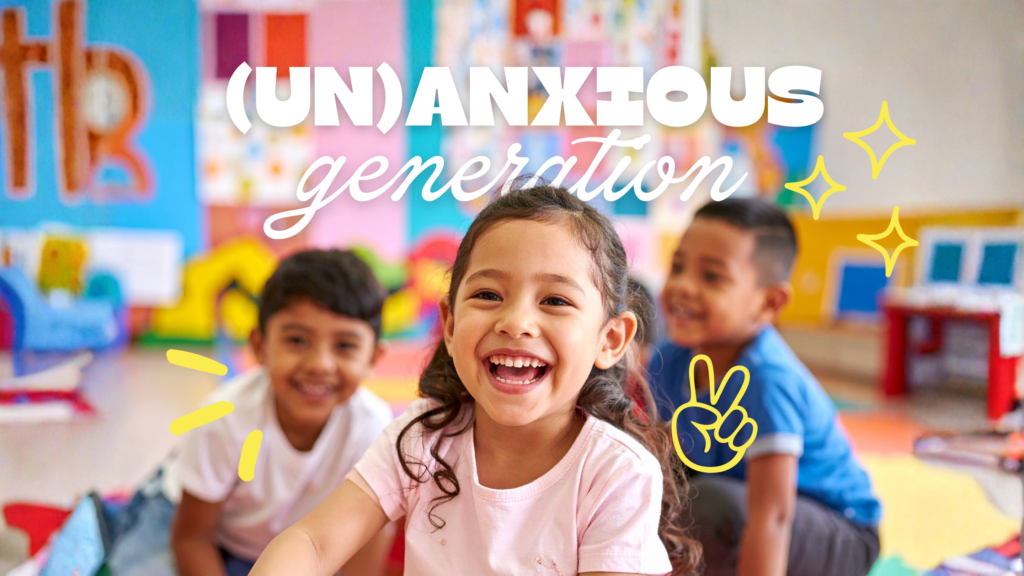
Happy Children In A Classroom

Building an (Un)anxious Generation

The move from a play-based childhood to a phone-based childhood has led to the rise in anxiety across the world. Social psychologist and author Jonathan Haidt made this case in his 2024 book “The Anxious Generation”. Drawing from his findings, our research and policy lead Daniel Lim spoke at The Helping Hand “Ride and Run to Restore” on 18 April 2026, on the topic “Building an (Un)anxious Generation”. Here is an edited extract from the talk.
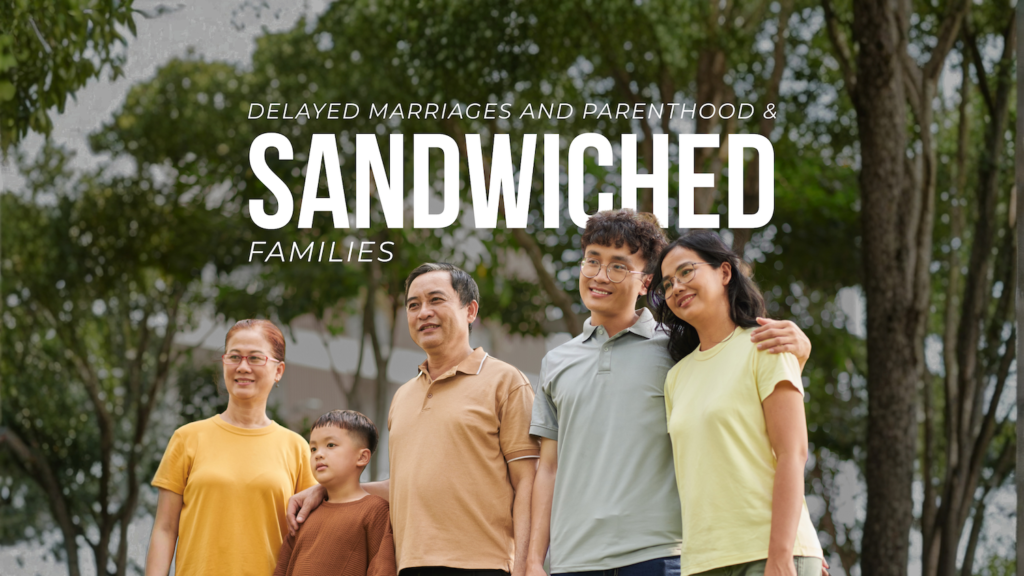
Three Generation Asian Family

How Delayed Marriage and Parenthood Result in Sandwiched Families

Singaporeans are marrying later and having children later. Demographically, this increases the risk of acute sandwiched family struggles, especially with two or more generations of delayed marriage and parenthood. While it is important to support families in such situations, it is also important to encourage earlier marriage and parenthood planning. A version of this article was presented at our Commune on 16 May.
Inche Sha'ari Bin Tadin 2

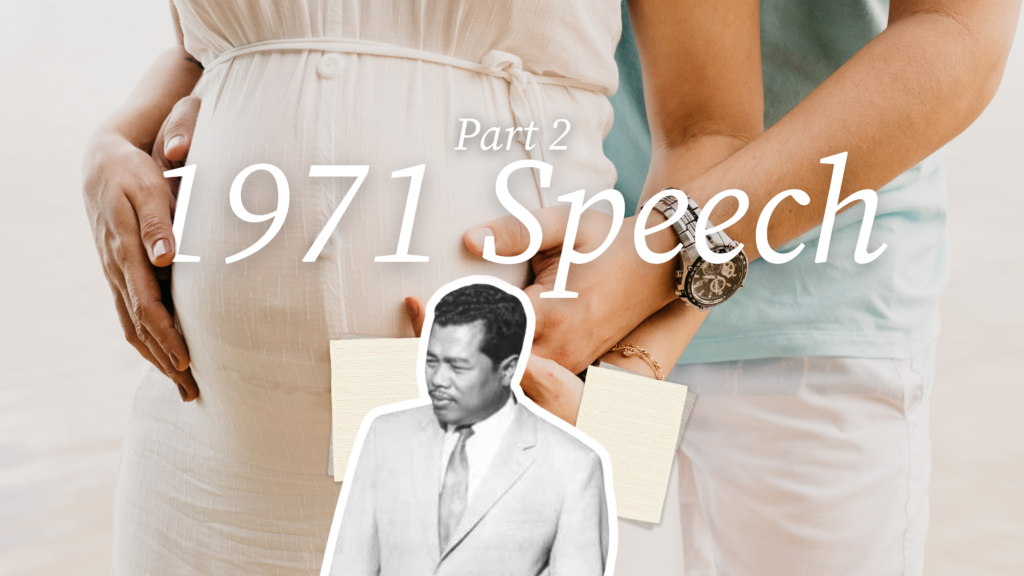
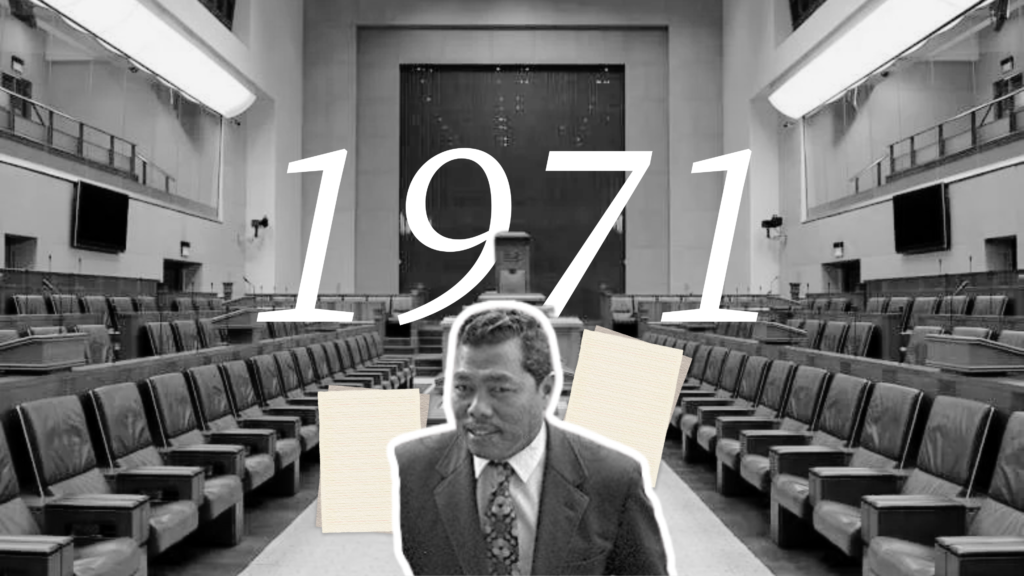
“Achievement-orientated Values” (Part 2 of 2): How this 1971 speech suggests solutions to fertility rates today

The 1971 speech by Parliamentary Secretary Inche Sha’ari Bin Tadin captured the heart and motivation of Singapore’s population control campaign. To pursue achievement and a high standard of living, “adaptations” had to be made to family life and childbearing, education and our value systems. To improve our fertility rates, we should perhaps do the opposite what he was calling for at the time.
Achievement-oriented Values in 1971 speech

“Achievement-orientated Values” (Part 1 of 2): This 1971 speech explains why our fertility rates are so low (and hints at how we can raise it) 

Singapore’s total fertility rate hit a new record low at 0.87 in 2025, a long consequence of the overwhelming success of the “Stop at Two” population control campaign launched in 1972. Just a year prior, Parliamentary Secretary Inche Sha’ari Bin Tadin gave a speech capturing the heart and motivation of the campaign. Could this speech also contain hints of how we can reverse our low birth rates?
Illustrated stay-at-home mom and working mom

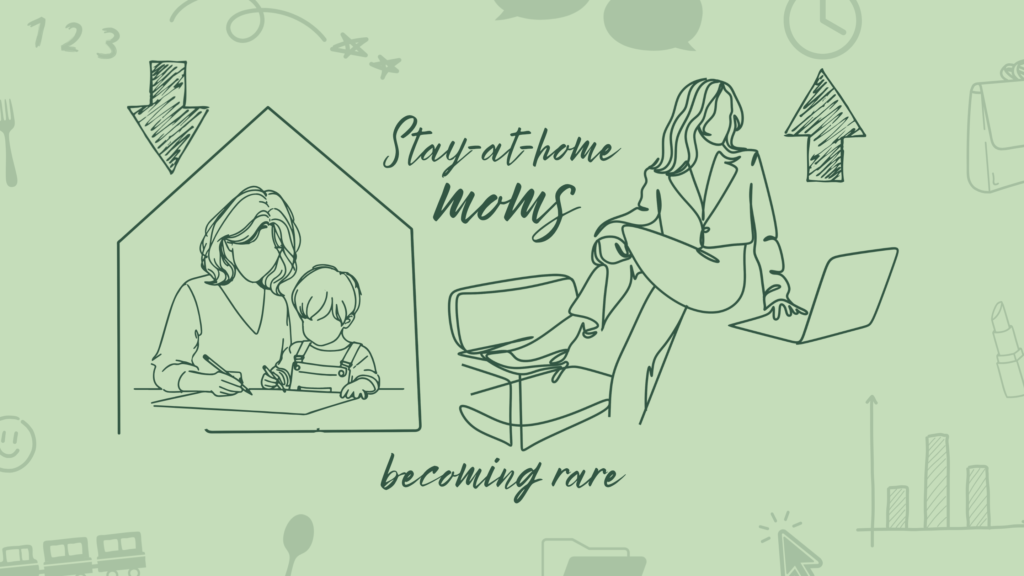
Stay-At-Home Mothers are Becoming Rarer: Gain or Loss? 

The number of stay-at-home mothers (SAHMs) has more than halved over the last seven years. The gains in our economy and to women’s empowerment are clear, but will we miss out on anything? We’re looking out for new gaps in mother-child bonding, declining fertility rate, and loss of social capital that SAHMs help sustain. How do we mind these gaps?

Sandwiched Families: A Cultivate Commune (May) update

With delayed marriages and parenthood, low fertility rates and a rapidly ageing population, the number of sandwiched couples who have to care for both young and old is projected to increase. At our Commune on 16 May, we had a candid and uplifting discussion with two speakers in these circumstances, who left us with much encouragement and food for thought.
Overprotective Parenting

 How “Helicopter Parenting” Harms Children, and the Culture 

Helicopter parenting cause harm to children in the long-term. It hinders development of essential life skills and resilience in children, and also make things difficult for others when they unfairly criticise, harass or even sue those they disagree with. We need a reasonable balance between protecting children and allowing them to take risk.
eyes on the price text

Eyes on the Price: A Cultivate Commune (March) update 

The more people prize parenthood, the less deterred they are by its perceived price. The reverse is also true. These were the findings from our “Eyes on the Price” supplementary analysis released at our Commune on 28 March. With our society becoming more atomised and narratives thinking of children as a burden, can we refocus our values and priorities as a society?
old asian married couple with their foreheads touching

Even in Old Age, Marriage Matters 

As the foundation of family life, the benefits of marriage for children are well-known. But what about the elderly? Elderly who never married or are divorced or separated tend to have weaker intergenerational connections, being less likely to provide and receive support from their families. In “super-aged” Singapore, strengthening marriages must be a key priority, even as we look out for vulnerable seniors.
sandwiched family singapore

Sandwiched Families: Too Many Ways to Make a “Sandwich”?  

Conceptually, there is no one definition of a “sandwiched” family, ranging from those who live together or nearby, to different kinds of support or care provided to young and old. A reasonable estimate suggests there are more than 100,000 sandwiched households in Singapore. Perhaps valuing and supporting people in their caregiving journeys may be a more constructive way forward.