How far are you willing to go for a friend?
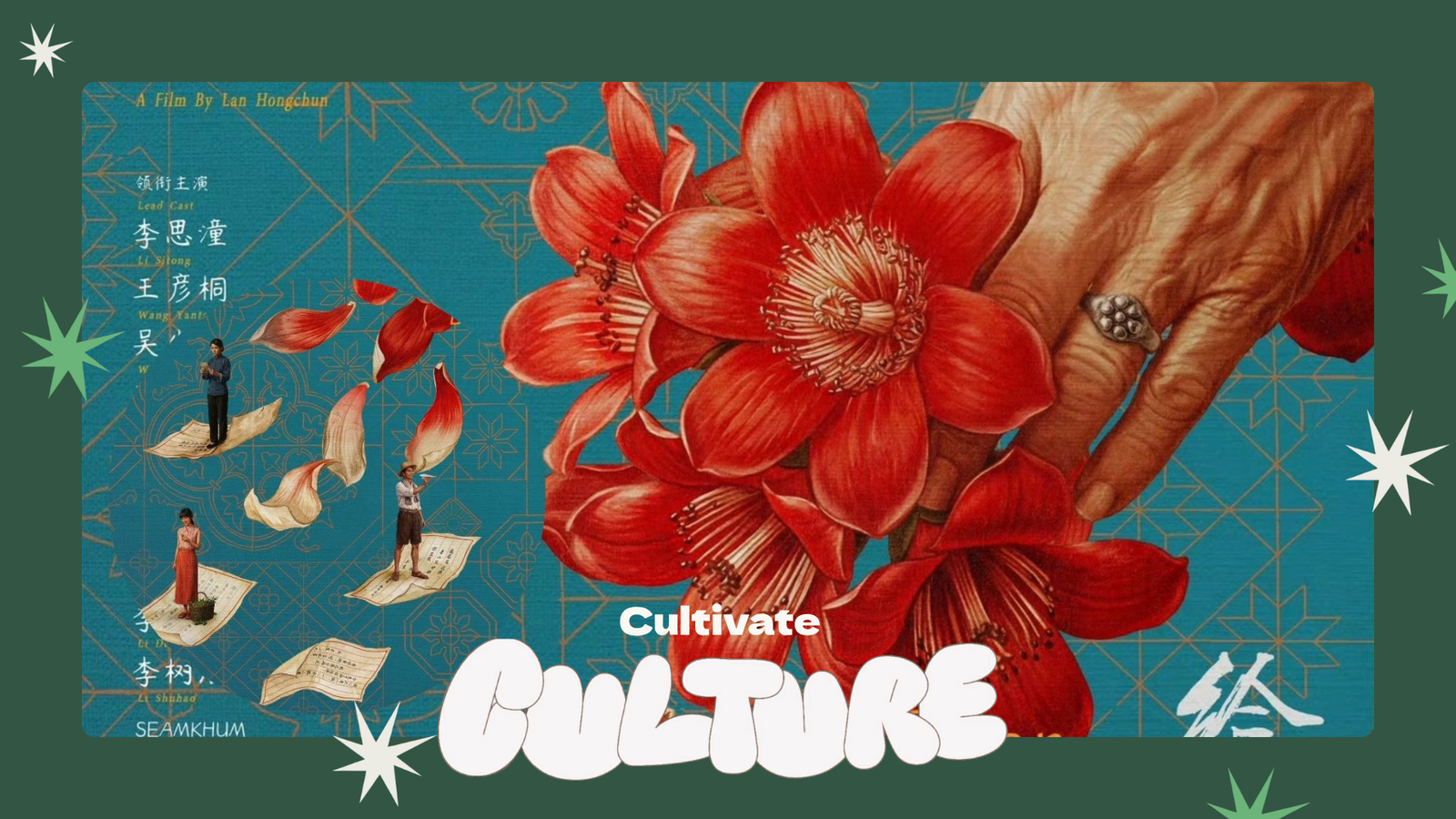
Dear You (給阿嬤的情書) is a 2026 Teochew-dialect film that opens with a small, human lie: a grandson (Xiaowei) hiding the truth from his grandmother while he hunts for an inheritance in Thailand. It ends with something much bigger: a portrait of a woman (Nanzhi) who gave everything she had to people who weren’t even hers.
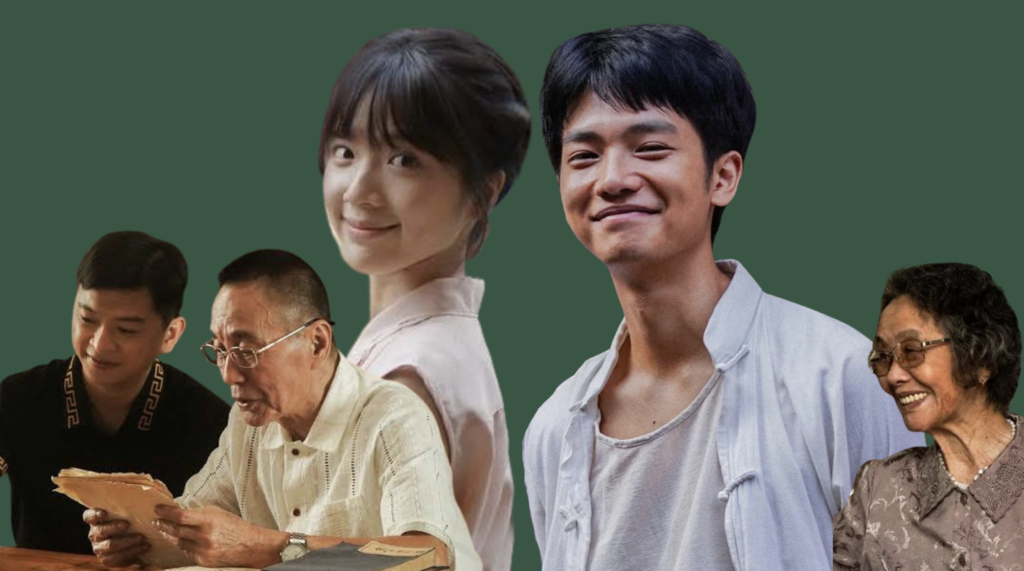
Meet the characters (left to right):
Xiaowei (Zheng Runqi), a grandson in debt
Zhao Shuguang (Tsia Tsek-hua), the adopted son of Nanzhi
Xie Nanzhi (Li Sitong), a hostel landlord’s daughter
Zheng Musheng (Wang Yantong), a hardworking husband
Ye Shurou (Wu Shaoqing), a resilient grandmother
Putting the focus on others
What started as selfishness became a study in selflessness.
Xiaowei set out looking for a presumed inheritance. What he found was a woman, Nanzhi, who spent her life caring for an abandoned child, her ailing father, and a family that wasn’t even hers by blood. More shockingly, the grandfather he thought was alive had died many years ago, yet the family had continued to receive money and supplies at home all those years. Nanzhi’s life and Musheng’s became entangled, as Xiaowei uncovered more.
After Musheng’s tragic death while trying to prevent a robbery at sea involving a neighbouring boat, Nanzhi headed straight to the remittance office, preparing to send news to his family. In choosing to keep writing letters to Musheng’s wife, Shurou, rather than sharing the honest truth of her husband’s death, Nanzhi chose to sustain hope for their family, so that they could be assured of provision. This series of events brought perspective to the present day, as Xiaowei and his relatives read the letters and pieced their history together.
The ripple effect of care
By the end, even the grandson who once lied to his own grandmother now played his part in caring for family. By linking his grandmother with Nanzhi’s adopted son and those who were deeply impacted by Musheng’s life in Thailand, Xiaowei went through his own character development as he found out more about the different people who were selfless on much greater scales.
In a world of people who are caught up in their own interests, those who help others know the responsibility and see it through to the end.
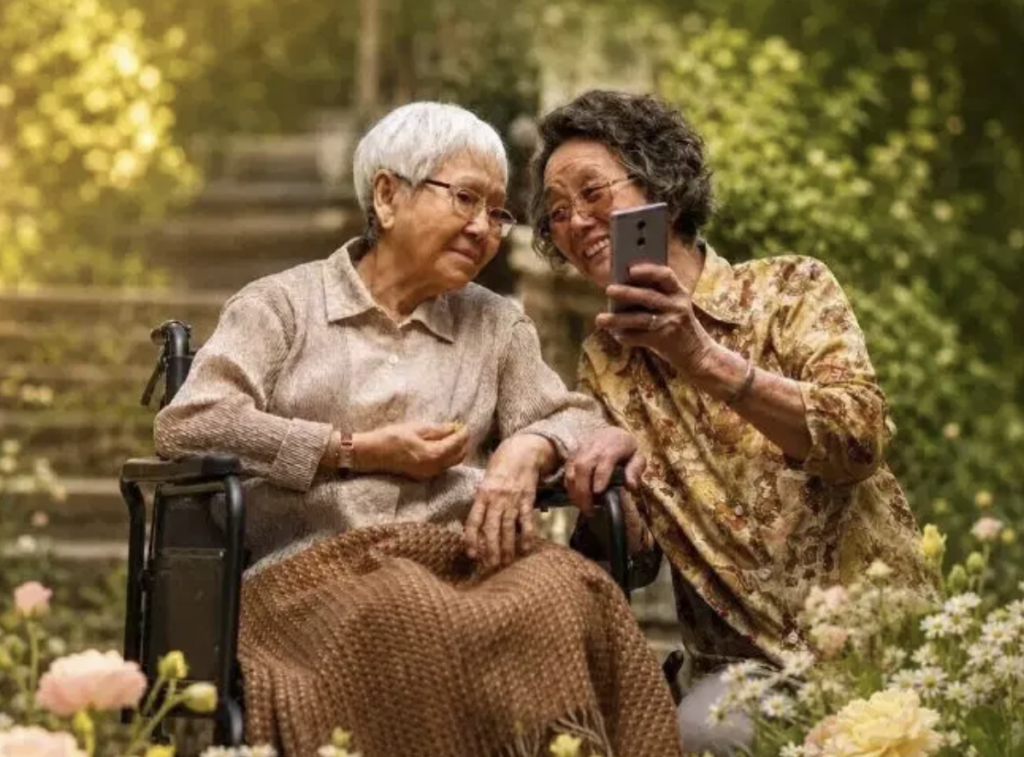
The climax of the film came in a moment of stillness, as Nanzhi and Shurou met and audiences held their breath to watch each of their reactions to meeting in old age. Over some fruits, they began bonding over their shared history with Musheng. Nanzhi’s simple, consistent acts of writing qiaopi (remittance letters sent to family from relatives working far from home) came to fruition in three generations receiving provision and thriving as a family.
Selflessness is a daily decision
Decades before Nanzhi became known for the letters she wrote, she was known for her caring heart: teaching orphans and children, providing for her father and looking out for struggling migrants.
In the 1950s, these were not grand gestures, but showing up again and again for people who needed her. Dear You painted a picture of love and loyalty through the promises made even when they seemed difficult and unpopular.
Caregiving today doesn’t look all that different. It still asks for the same grit, the same willingness to keep giving when no one’s watching.

A Singapore snapshot of caregiving
This is a topic close to our hearts. Our nation is ageing, with The Straits Times recently reporting that about one in five Singaporeans are aged 65 years old and above.
As Singaporeans marry and have children later, an increasing number of couples find themselves “sandwiched” in their caregiving responsibilities. Preliminary results of a 2025 survey conducted by the Ministry of Manpower (MOM) found that around one in 10 workers concurrently care for children and parents. This means that there are around 240,000 locals who are balancing work and caregiving for both young and old at the same time.
At its core, showing love and care to someone – whether one’s spouse, parents, children, or beyond – is not about providing a commercial service, but about relationships. It is fundamentally a labour of love, an intimate human relationship that cannot be replicated through the free market.
What’s up next
That’s why the focus of our year-end conference on family*, titled “Unfiltered – Sustaining Generations”, is on caregiving, and how views on care shape how we see marriage, parenthood and children.

This will be our third annual conference and will be held on 19 November 2026, 10am to 5.30pm, at the Lifelong Learning Institute (11 Eunos Road 8, Singapore 408601; next to Paya Lebar MRT).
This year’s conference features:
- Exclusive insights from a nationwide survey on Singaporean attitudes towards caregiving
- Two thought-provoking panel discussions:
- The Weight of Care – What realities are caregivers living in?
- Commitment, Fear and Faith – How do different faiths address fears, anxieties and moral and religious duties regarding caregiving?
Join us for Unfiltered 2026: Sustaining Generations on 19 November 2026 by signing up here!