What does adulting really look like in Singapore?
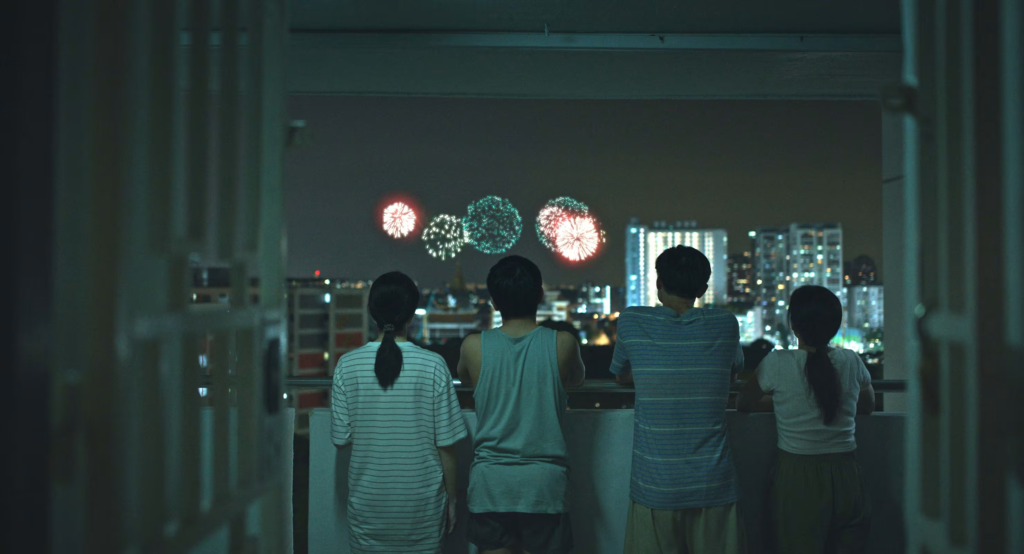
Anthony Chen’s We Are All Strangers closes out his “Growing Up Trilogy”, the story that began with Ilo Ilo in 2013 and continued through Wet Season. It made history as the first Singaporean film to compete for the Golden Bear at the Berlin International Film Festival, before opening in local cinemas in August.
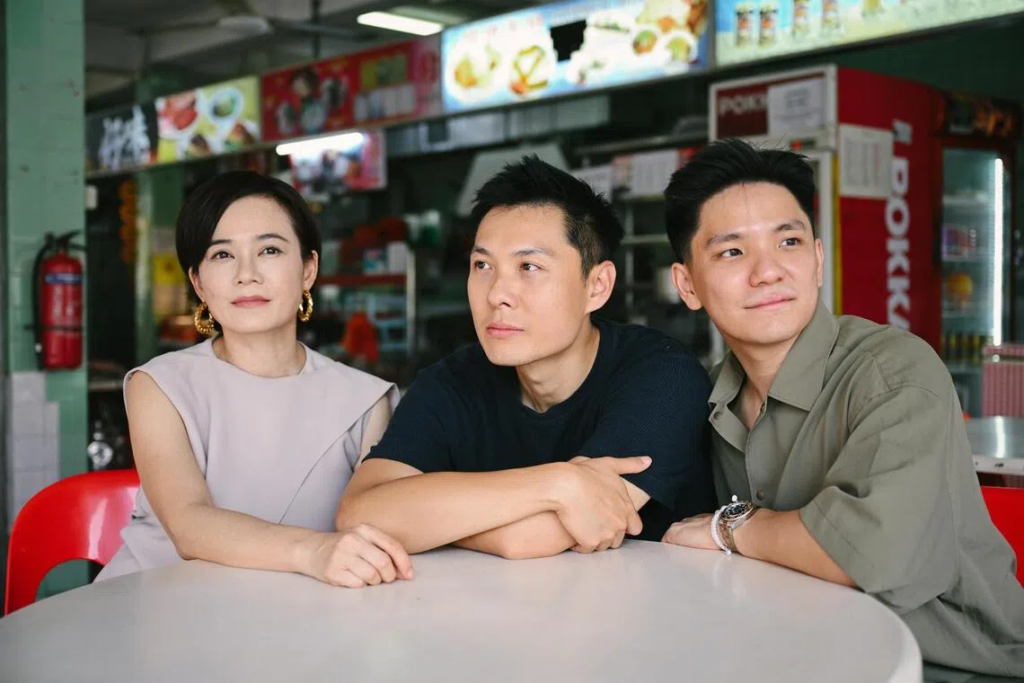
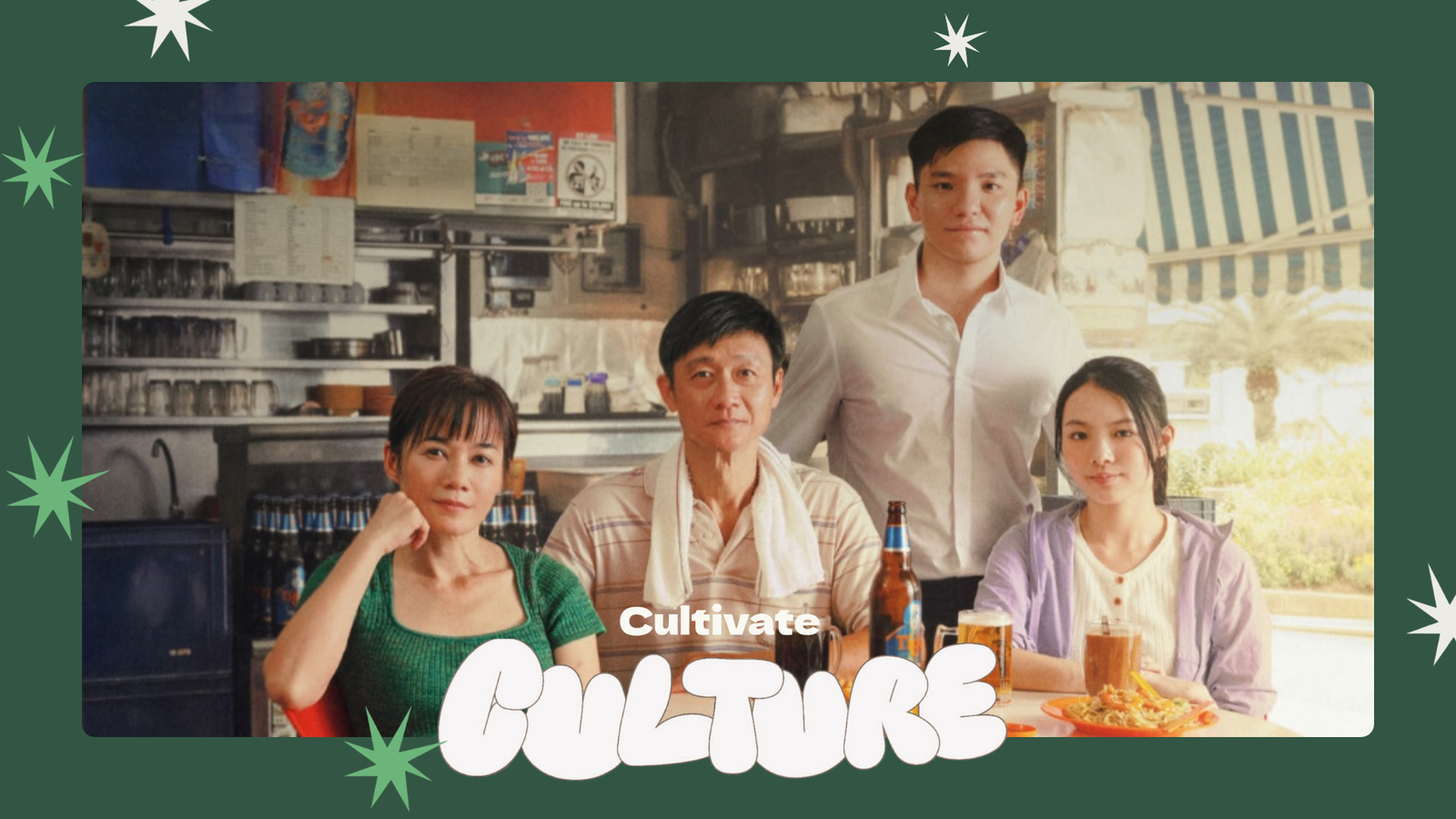
At the centre of the film is 21-year-old Junyang, coasting through his youth while his father, hawker Boon Kiat, quietly holds their modest life together. A new stepmother, Bee Hwa, joins the family. Then Junyang’s girlfriend Lydia falls pregnant, and the young couple is forced to grow up faster than either of them planned. Across two generations, love, loss and responsibility collide, and a family is built less by blood than by the people who show up and stay.
Meet the characters:
Bee Hwa (Yeo Yann Yann): A Malaysia-born beer lady, sharp and hard-headed on the outside, carrying more than she lets on
Boon Kiat (Andi Lim): A steady, hardworking hokkien mee hawker who gives more than he can afford to
Junyang (Koh Jia Ler): A new father learning, clumsily, what responsibility actually costs
Lydia (Regene Lim): A new mum quietly holding on to who she was before motherhood
The formula, and why the film doesn’t follow it
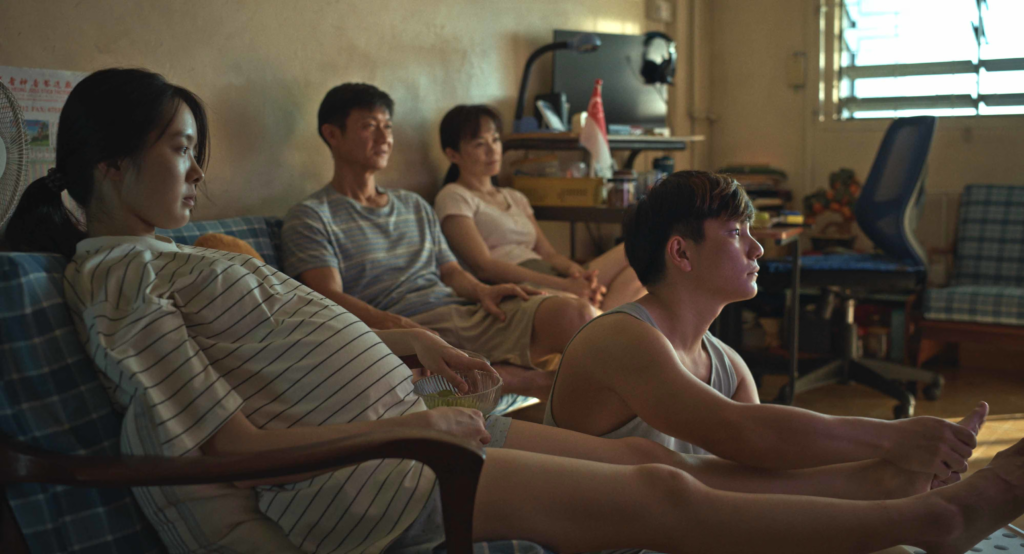
Most of us grew up with an unspoken formula for adulthood: finish studying, hustle while young, date with marriage in mind, then settle down. We Are All Strangers didn’t follow that script. It sat in the frustration and the setbacks, the awe of a new child, the tension of family expectations that don’t quite line up. Adulting isn’t a checklist. It’s the sum of every sacrifice, mistake, joy and small success along the way.
Immaturity was the starting point
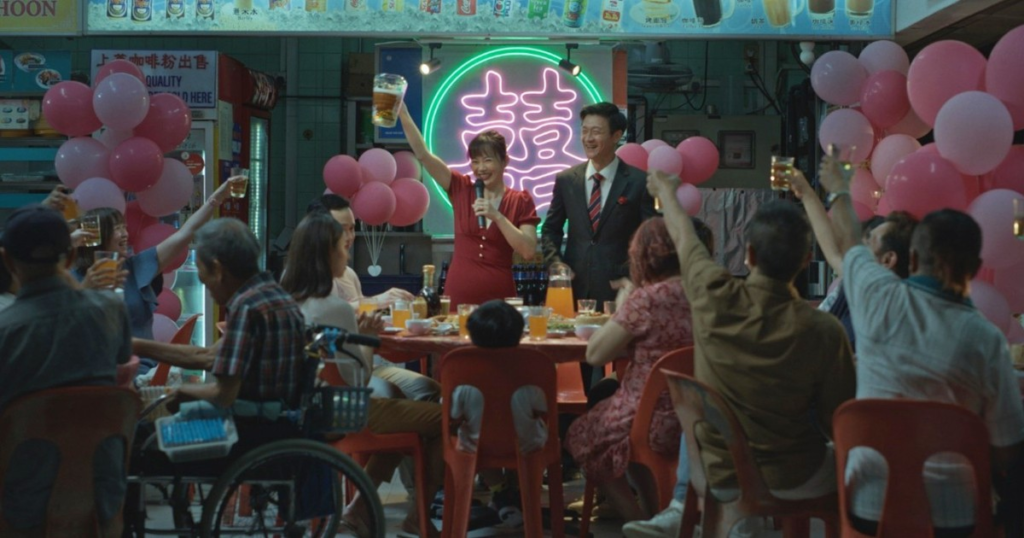
Junyang was not an easy character to root for at first. He smoked, drank, and drifted through his early relationship with Lydia without much thought for consequence. Even as his father prepared mattresses and baby furniture for the new arrival, Junyang had to be told exactly what to do. In the first months of fatherhood, chasing quick money, he slipped back into old habits: drinking on the job, causing a mess at his workplace, embarrassing himself in front of people who trusted him and eventually being let go from his job.
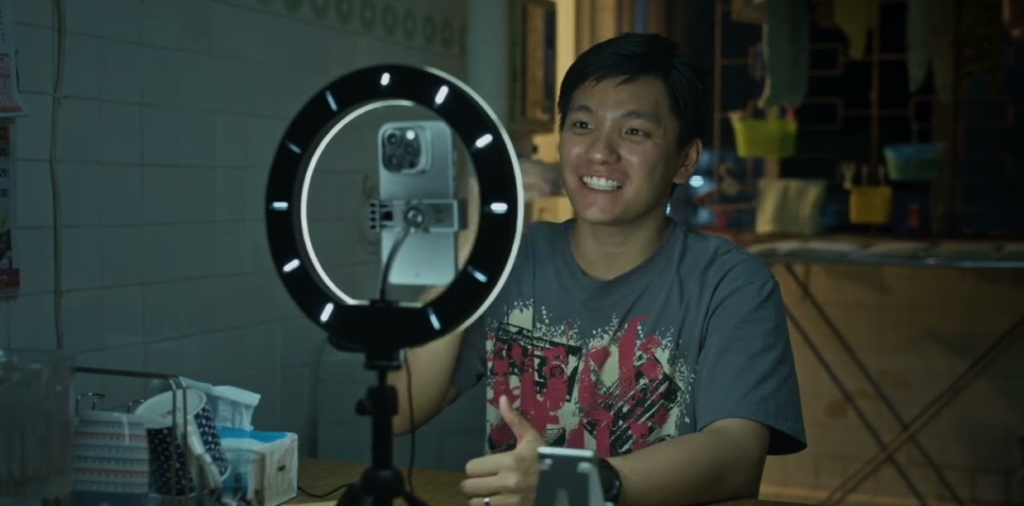
Things came to a head when Junyang rushed into livestreaming as another shortcut to cash. Eager to be the first in Singapore to import and sell an overseas medication, he skipped the due diligence, but it was his stepmother Bee Hwa who took the fall, going to jail for it.
Fatherhood was the catalyst, grit sustained it
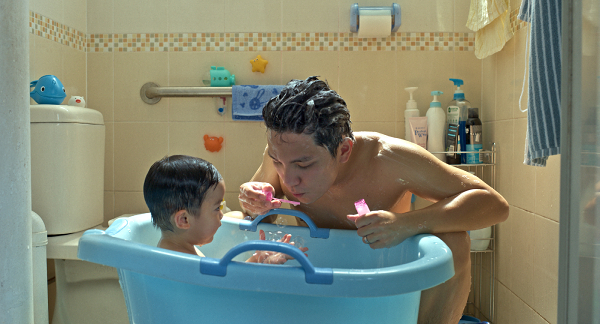
This is where the film earns its place in a conversation about fatherhood. Junyang’s growth was not a single dramatic turnaround. It showed up in the quiet, repeated choices that followed: bathing and towelling his son dry, bringing home a secondhand piano so Lydia can find her way back to the piano-playing she once loved. Small, unglamorous, faithful.
Men have real capacity to grow into fatherhood, and they grow further when they have someone to model it. Junyang has that in Boon Kiat, a father who shows up daily in the hawker stall and who furnishes a home for a family he didn’t choose to inherit but chooses to love anyway. That steady, unremarkable faithfulness was what shaped Junyang into someone capable of leading his own family.
Motherhood, without the myth of smooth sailing
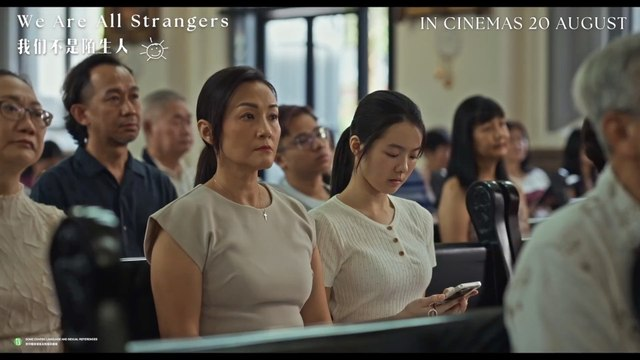
Many women hesitate to make room for motherhood in their life plans, carrying the belief that pregnancy will cost them their personal goals. Lydia doesn’t argue against that fear so much as sits inside it honestly. Her path to becoming a mother comes with real loss, including time she might have spent pursuing music. But the film doesn’t ask her to make peace with that loss alone. It shows a family, however imperfect, stepping in.
Any mother will tell you motherhood was never meant to be carried solo. It becomes bearable, even meaningful, when husbands and community show up to support and care, the way Boon Kiat and, eventually, a more grown Junyang show up for Lydia.
Growth is uncomfortable, and that’s the point
Adulting is hustling, and where young adults can put in the work, the fruit is genuinely rewarding. But growth doesn’t come from comfort. It comes from patience and consistency, from staying in the discomfort long enough for something to change. In trying to protect our peace, are we also losing our tolerance for the very discomfort that builds perseverance? There’s room, in We Are All Strangers and in our own lives, for young adults and society at large to build real mental toughness.
By the film’s end, its Chinese title 我们不是陌生人 (translated as “We Are Not Strangers”) lands as a quiet correction to its English one. These aren’t strangers who happen to share a home. They’re a family built under pressure, one uncomfortable, unglamorous choice at a time.