articles catalogue

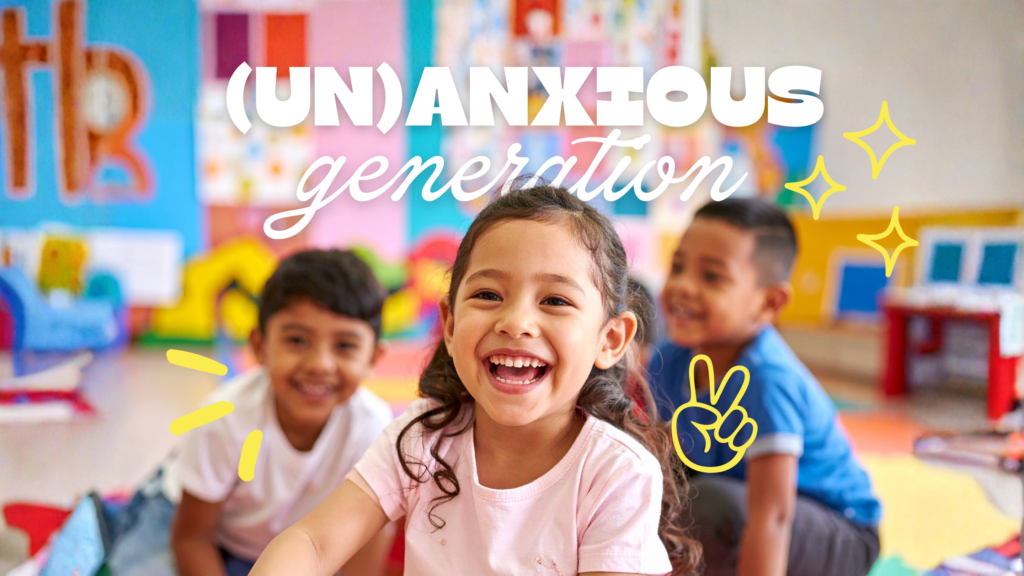
Building an (Un)anxious Generation

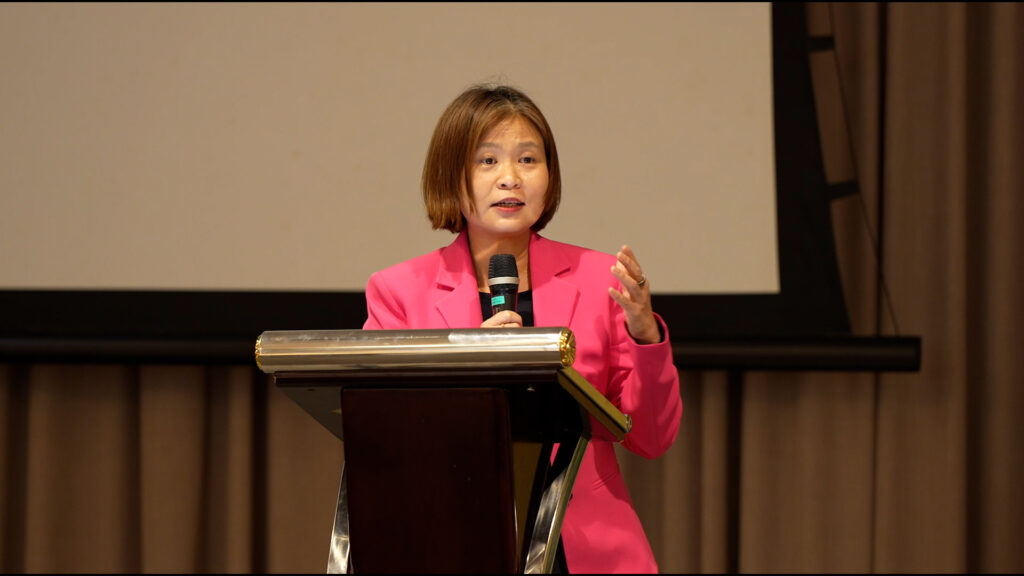
The move from a play-based childhood to a phone-based childhood has led to the rise in anxiety across the world. Social psychologist and author Jonathan Haidt made this case in his 2024 book “The Anxious Generation”. Drawing from his findings, our research and policy lead Daniel Lim spoke at The Helping Hand “Ride and Run to Restore” on 18 April 2026, on the topic “Building an (Un)anxious Generation”. Here is an edited extract from the talk.

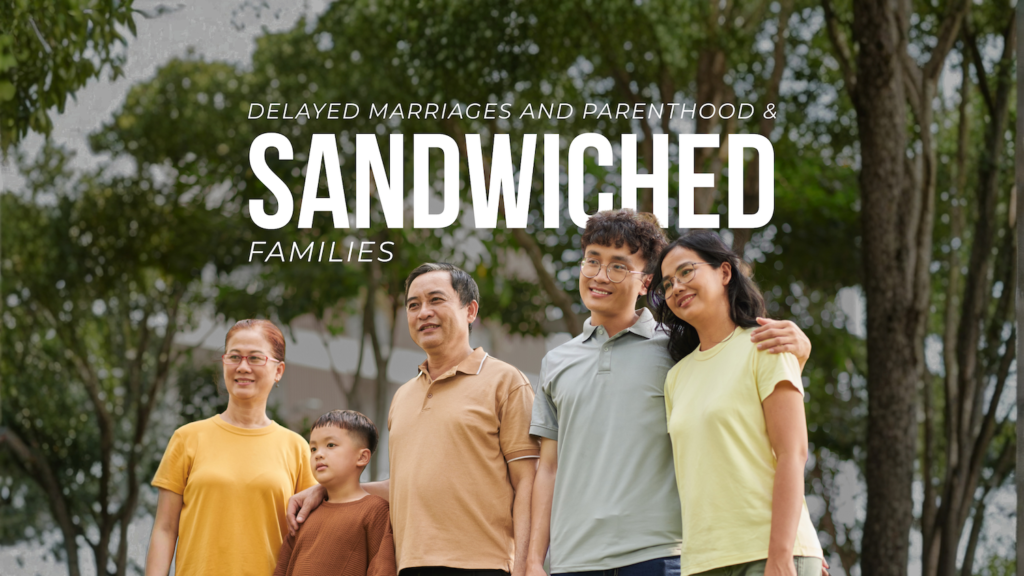
How Delayed Marriage and Parenthood Result in Sandwiched Families

Three Generation Asian Family
Singaporeans are marrying later and having children later. Demographically, this increases the risk of acute sandwiched family struggles, especially with two or more generations of delayed marriage and parenthood. While it is important to support families in such situations, it is also important to encourage earlier marriage and parenthood planning. A version of this article was presented at our Commune on 16 May.

“Achievement-orientated Values” (Part 2 of 2): How this 1971 speech suggests solutions to fertility rates today

Inche Sha'ari Bin Tadin 2
The 1971 speech by Parliamentary Secretary Inche Sha’ari Bin Tadin captured the heart and motivation of Singapore’s population control campaign. To pursue achievement and a high standard of living, “adaptations” had to be made to family life and childbearing, education and our value systems. To improve our fertility rates, we should perhaps do the opposite what he was calling for at the time.

“Achievement-orientated Values” (Part 1 of 2): This 1971 speech explains why our fertility rates are so low (and hints at how we can raise it) 

Achievement-oriented Values in 1971 speech
Singapore’s total fertility rate hit a new record low at 0.87 in 2025, a long consequence of the overwhelming success of the “Stop at Two” population control campaign launched in 1972. Just a year prior, Parliamentary Secretary Inche Sha’ari Bin Tadin gave a speech capturing the heart and motivation of the campaign. Could this speech also contain hints of how we can reverse our low birth rates?

More For You

Cinderella Effect Singapore

“Cinderella Effect”: Is risk of abuse higher in stepfamilies?

Drawing its name from the popular fairy tale, the “Cinderella effect” describes the tragic phenomenon where children have a higher risk of abuse by non-biological parents (married or unmarried to the biological parent). Though well-documented, the reasons for the trend are hotly debated. Nevertheless, understanding the unique and specific challenges and complexities faced by stepfamilies can guide us in preventing and addressing child abuse.
Jennifer Heng Safe Space

Becoming Mum: A Cultivate Commune (May) update

Becoming a mother can be a very challenging experience for some. At our Commune on 10 May, Jennifer Heng shared her story about how she came to start Safe Place, an organisation helps unsupported pregnant women and their families.

Fatherhood, Friendship, and Finding Community  

C.S. Lewis once wrote that friendship is born when one person says to another, “What? You too? I thought I was the only one.” This Father's Day, hear the story of The Ordinary Dad, a group formed when some stay-at-home dads came together and found community.

What we are reading

Articles here are for perspective and may not represent our views