articles catalogue

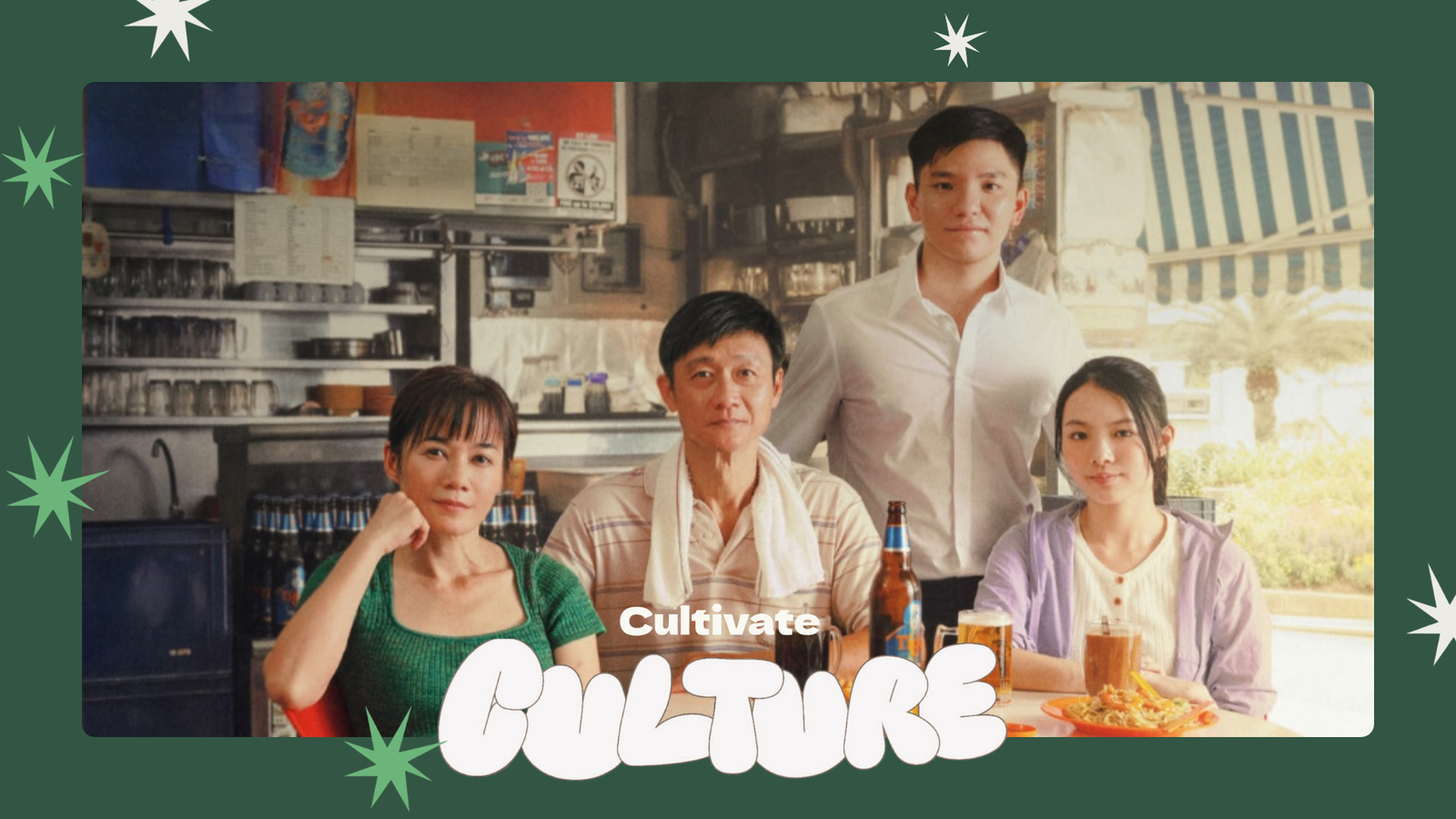
We Are All Strangers (2026): A Cultivate Culture Review

We Are All Strangers follows one family through the messy, unplanned parts of caregiving and growing up.

Adoption: A Cultivate Commune (September) update 

Adoption helps children to find the loving families that they need. At our Commune on 26 September, we heard from social worker Wong Wei Lei from TOUCH Community Services and Jaryl Wee. Their heartfelt perspectives – both professional and personal – moved many of us in the room.

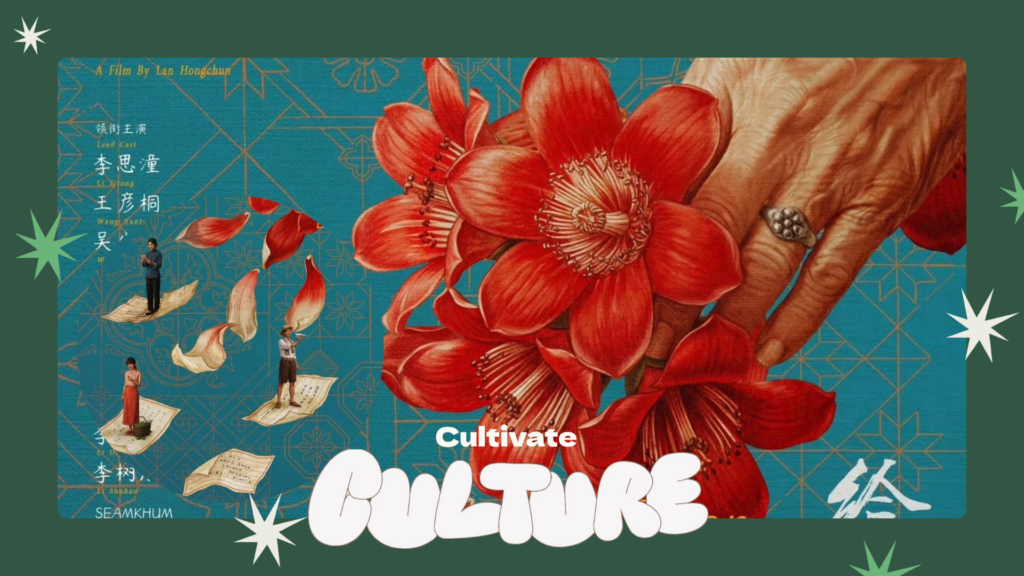
Dear You (2026): A Cultivate Culture Review

Dear You is a love letter to the efforts and complexities around caregiving. Though set in the past, caregiving today still asks of people's efforts and love all the same.

As Caregiving Needs Grow, Our Perspectives Should Grow Too 

Singapore is at a turning point. To sustain our society, we need to go beyond additional resources to a fundamental reframing: caregiving is not just a burden but an act of love.

More For You

Happy Children In A Classroom

Building an (Un)anxious Generation

The move from a play-based childhood to a phone-based childhood has led to the rise in anxiety across the world. Social psychologist and author Jonathan Haidt made this case in his 2024 book “The Anxious Generation”. Drawing from his findings, our research and policy lead Daniel Lim spoke at The Helping Hand “Ride and Run to Restore” on 18 April 2026, on the topic “Building an (Un)anxious Generation”. Here is an edited extract from the talk.
Three Generation Asian Family

How Delayed Marriage and Parenthood Result in Sandwiched Families

Singaporeans are marrying later and having children later. Demographically, this increases the risk of acute sandwiched family struggles, especially with two or more generations of delayed marriage and parenthood. While it is important to support families in such situations, it is also important to encourage earlier marriage and parenthood planning. A version of this article was presented at our Commune on 16 May.
Inche Sha'ari Bin Tadin 2

“Achievement-orientated Values” (Part 2 of 2): How this 1971 speech suggests solutions to fertility rates today

The 1971 speech by Parliamentary Secretary Inche Sha’ari Bin Tadin captured the heart and motivation of Singapore’s population control campaign. To pursue achievement and a high standard of living, “adaptations” had to be made to family life and childbearing, education and our value systems. To improve our fertility rates, we should perhaps do the opposite what he was calling for at the time.

What we are reading

Articles here are for perspective and may not represent our views