Abuse. Neglect. Abandonment.
These top the list of reasons why children enter foster care, according to Dawn from Gracehaven Fostering, one of the agencies appointed by the Ministry of Social and Family Development for fostering in Singapore. Dawn is a recruitment officer and senior programme executive at the organisation.
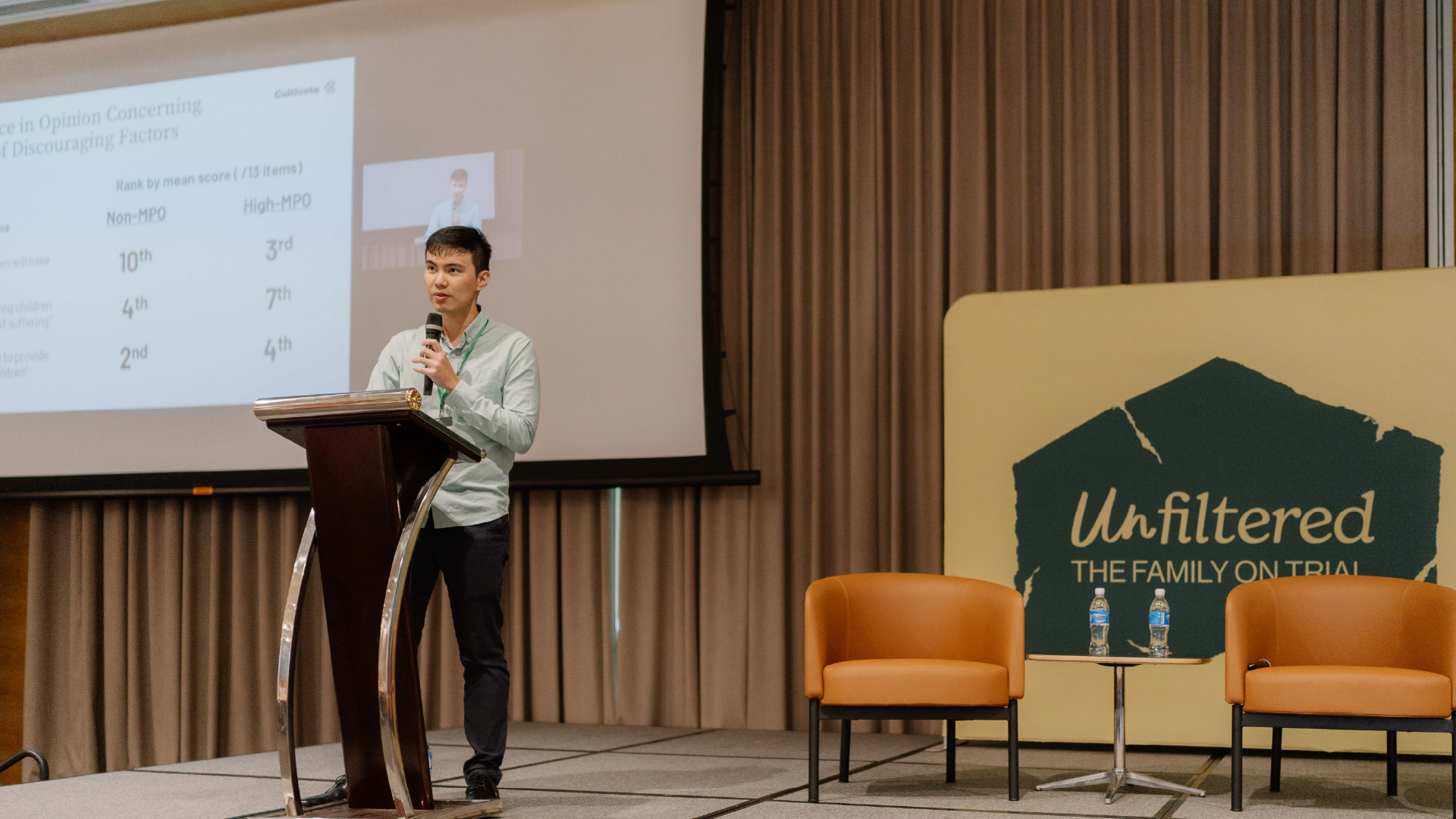
On the last Saturday of September, Dawn and two foster parents – married couple Joel and Rachel (both in their 50s) – joined us at Cultivate Commune. The session was a collaboration between Cultivate SG and Gracehaven Fostering, an initiative of the Salvation Army.
Fostering
Fostering is a temporary care arrangement for children and young persons who need a safe environment.
The criteria for fostering, which has been updated over the years, has five conditions:

Fostering aims to provide the care and protection needed for children in these difficult circumstances to grow healthily and fulfil their potential.
A Fostering Journey
Joel and Rachel’s fostering journey took centre stage at the Commune, after Gracehaven Fostering presented an overview on the fostering process.
Joel works as a financial planner, while his wife is a freelance artist. Together they have fostered more than ten children since they began in 2018. They also have a 21-year-old biological daughter.
Two of their foster children who are in long-term foster care are still with them. One has stayed with them for seven years from the time she was four, and another joined their family last year at the age of seventeen.
Awing everyone with an incredible picture of his 100-year-old grandmother-in-law feeding a tiny baby, Joel showed their very first foster child – a newborn.
Even though the child had been placed with another set of foster parents, the child’s foster parents were overseas at the time of placement and were unable to receive the child yet. Since the child was ready for discharge from the hospital, Joel and Rachel took him in until the child’s foster parents returned from their trip.

“Just like your own”
A foster child should be treated “just like your own,” said Joel as he shared about playing with his foster children, teaching them various chores, encouraging them to join various CCAs (co-curricular activities) and more. “Whatever activities you think [are] good for her, you let her join.”
“Fostering is like cycling,” Joel explained. While it is challenging at first, it becomes an “enriching” experience once you get the hang of it. He saw his biological daughter mature, taking on the role of guiding her younger foster sister in life.
They also do respite care, helping other foster parents for short periods of time when they are away, unwell or some other reasons.

Sharing a little more about the extended family, Rachel spoke of how her mother confused adoption with fostering, thinking that they were adopting another child. Over time, the extended family came to accept the foster children, treating them the same way as their biological children, such as giving both biological and foster children the same amount of angbao during Chinese New Year.
As fostering is a temporary arrangement, some children would return home on weekends if their natural families are ready to receive them, to facilitate their reintegration. However, some children would cry upon being returned to their foster parents.
Once, Joel’s foster daughter missed her family wanted to cycle all the way home to her parents. Joel obliged, and accompanied her as she cycled, hoping to help her think through her actions instead of simply disallowing her. Soon, the child realised that the trip would be too long as the distance was too far, and he managed to persuade her to turn back with him.
On the other hand, when children were ready to be returned to their families, the children would increasingly spend more and more time at home with their natural families, until they were finally ready to return home permanently.

“Walk with them”
Family dynamics were another issue – especially the relationship between his biological and fostered daughters. One of the issues similar-aged teens bonded over were “boy-girl relationships”. His biological daughter helped to guide his foster daughter in screening through the various boys who have expressed interest. “My daughter will give her ideas,” Rachel added, like whether a particular boy is “good or not?”
He also provided guidance sometimes, telling his foster daughter to look out for “red flags”, such as if the boy asks to have a romantic relationship in “secret”. Joel explained to the girls that this might make them vulnerable to abuse, making them unable to seek help for due to the “secret” nature of the relationship.
“Just walk with them,” Rachel stressed. While their 21-year-old biological daughter and 18 year-old foster daughter are very close, they have had their conflicts, leading the foster daughter to feel “cornered”. However, both Joel and Rachel emphasised to their foster daughter that they treat her as their own. They encouraged her to work through her differences rather than to run away, emphasising that conflicts are common even in biological families.

At the close of the session, Dawn concluded by recalling why she is involved in this area of work: “Why I am doing what I am doing is because I truly believe every child deserves to be loved, every child deserves a safe environment to stay in.”
Postscript
Reflecting on the session, we at Cultivate SG learned that being a foster parent is not about being “perfect”, but being both dedicated and willing to provide a safe and stable home for children in vulnerable situations to thrive. Like Joel and Rachel, it all began with one simple step to open up their lives to one child. We hope that our readers and many others will join in this journey too.

If you are keen to become a foster parent (whether now or later), or simply to find out more about fostering, please check out the following:
- Gracehaven Fostering: https://www.salvationarmy.org.sg/wwd-gracehaven-fostering/
- Ministry of Social and Family Development: https://www.msf.gov.sg/what-we-do/fostering/home