Are devices truly taking over?
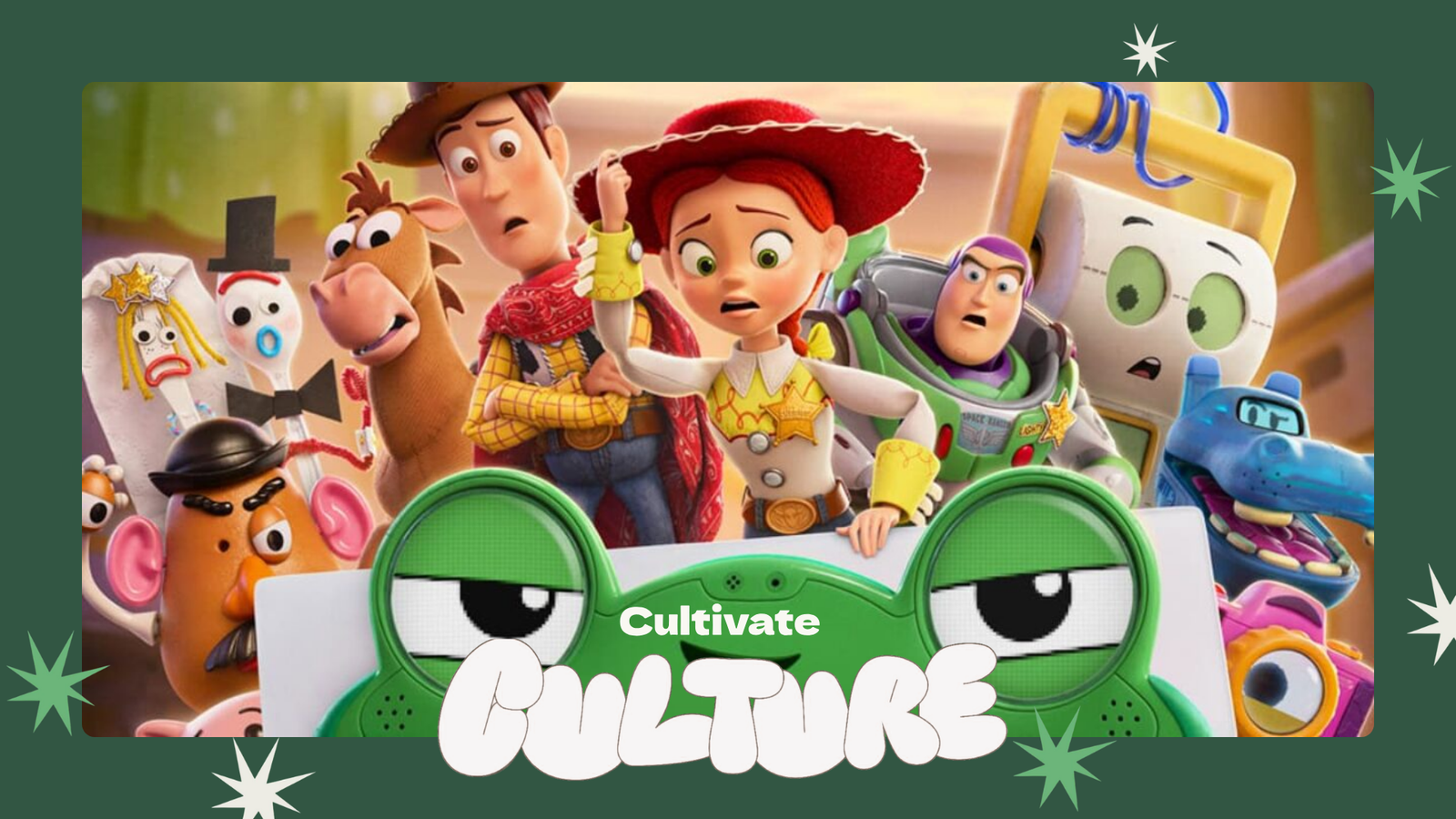
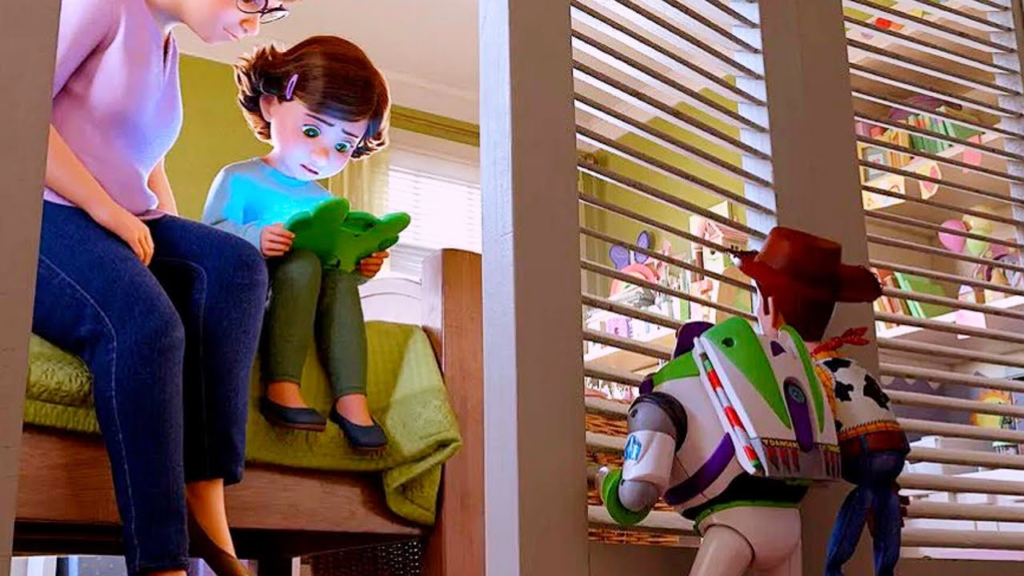
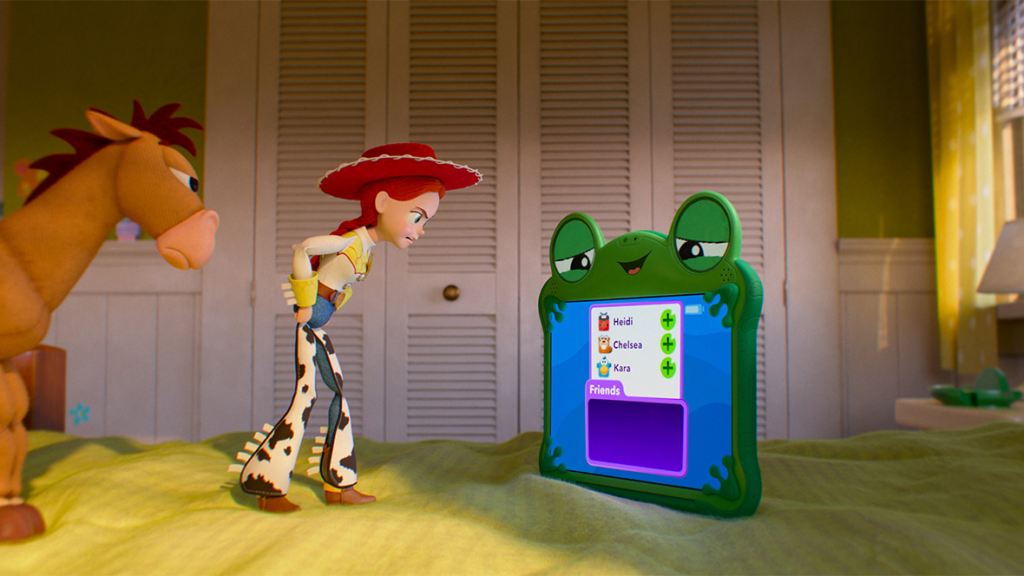
Bonnie, once content building elaborate imaginary worlds with Woody, Buzz, and Jessie, was handed a tablet named Lilypad by well-meaning parents. The toys, wanting to be played with instead of collect dust in a box, seek ways to get Bonnie’s attention.
Meet the characters:
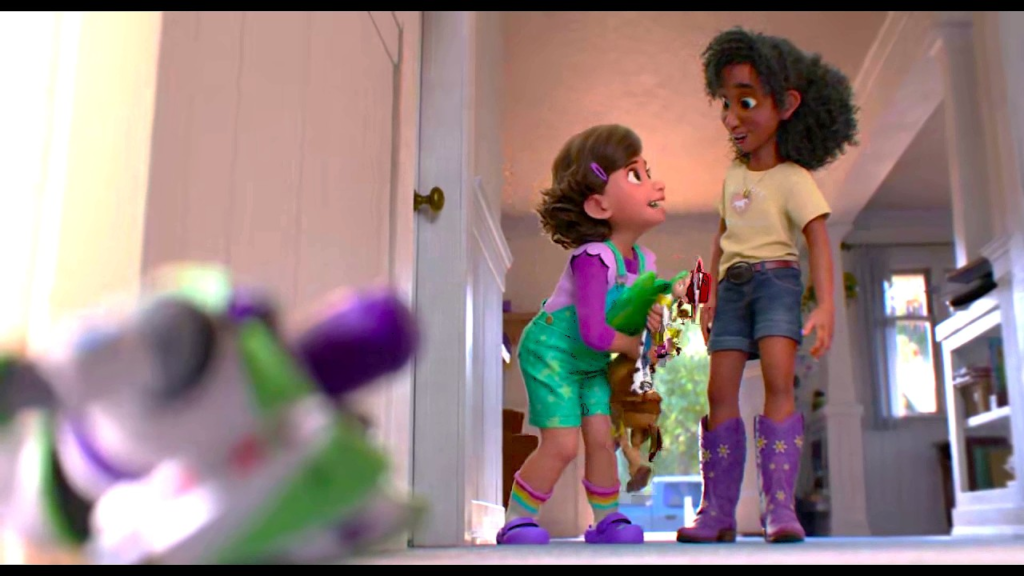
Bonnie (Scarlett Spears), an 8-year-old eager to make friends
Blaze (Mykal-Michelle Harris), a horse-loving 9-year-old
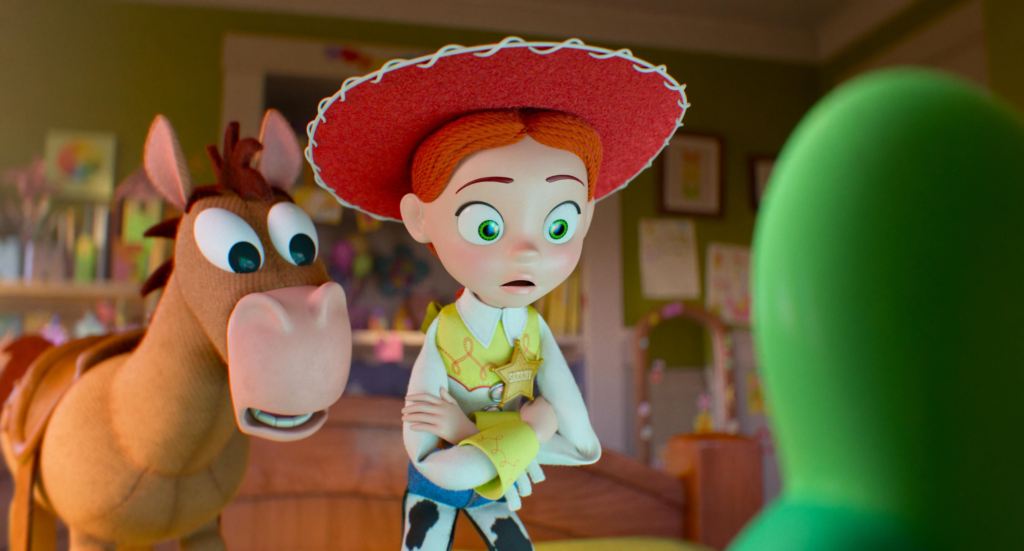
Jessie (Joan Cusack), Bonnie’s cowgirl toy
Buzz (Tim Allen), Bonnie’s toy and Jessie’s friend
Woody (Tom Hanks), Bonnie’s toy who returned
Bonnie’s Mom and Dad (Lori Alan and Jay Hernandez), parents who care for their girl
Emily, Jessie’s first owner

Parenting in a digital age
Viewers ponder on the role of parenting in an increasingly digitised world. Bonnie’s mom and dad did notice she was struggling and tried to talk to her, but their efforts landed as well-meaning rather than well-equipped.
As seen with Emily, Jessie’s original owner, the positive impact of healthy memories from physical play can last for generations: Emily went on to name her own daughter after Jessie the toy.
Parents today have a greater influence on their children’s lives than they think.
They can do far more with the resources at hand: online tips for having conversations with primary-school children like Bonnie and Blaze, and software that allows family settings and child-safe controls on certain video or gaming platforms.
A reflection on Jessie
Jessie embodies a side of society that advocates for physical play only, like “in the good old days.”
Her resistance to Lily runs up against a genuine social reality: Children who are behind on the latest trend or inside joke get left out, sometimes cruelly so.
The tension is beyond whether screens are “good” or “bad”. Today’s screentime conversation has to be that of balance and shaped by family values, not by fear on one side or peer pressure on the other.
Screentime should not merely be for entertainment.
Instead, it can be for learning and social connection, within a family’s own boundaries, much like Bonnie and Blaze’s friendship.
Are devices the villains?
The most interesting move that Toy Story 5 makes is showing devices doing something toys physically cannot: closing distance. Bonnie and Blaze, two children who would likely never have crossed paths otherwise, click almost instantly because they were both raised on imaginative play.
Rarely do any mainstream shows depict a device being the bridge to real connection, not only the obstacle to it.
Lilypad, the tablet set up as the villain against Woody, Buzz, and Jessie, ended the film as an unlikely ally. The goal was always to get Bonnie back to a place where she felt like she belonged, with other children. Once Lilypad and the toys realized they wanted the same thing, the “enemy” framing dissolved.
How children can live in a complex world
Friendship, not screentime, is the film’s real subject.
Bonnie’s ache of feeling excluded, even as she longed for physical and make-believe play, is what started the crisis, and genuine connection, wherever it’s found, is what resolves it. That’s a distinction worth sitting with as parents: the goal was never “no screens.” It was making sure a child doesn’t have to choose between being seen by her friends and being fully herself, because even parents cannot fill the role that friends play in a child’s life.
Toy Story 5 was a pleasant viewing that did not attempt to settle the screentime debate for any household. The film offers a more honest starting point instead, one that trusts parents to make judgment calls suited to their own family’s values, rather than following a script written by fear or nostalgia.
So no, devices are not taking over, because humans have full control over what is permissible at home and for society at large.