What does it take to bring a child into the world today, and what kind of world are we preparing for them?
Working in HR at a challenging company, Fren interviewed young new hires and was secretly one month pregnant, grappling with the decision to have a child in a world of chaos and frustrations.
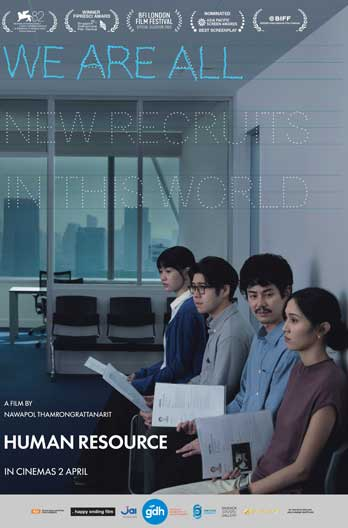
Meet the characters (left to right):
Jida (Pimmada Chaisakaoen), an innocent job seeker
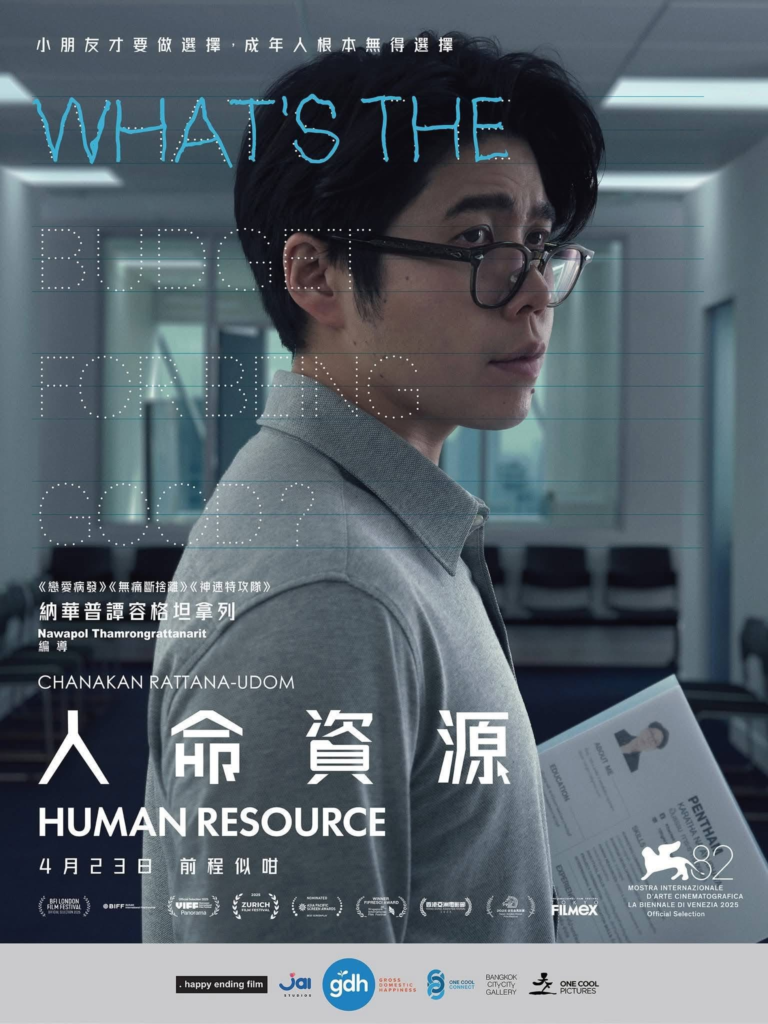
Tenn (Chanakan Rattana-Udom), Fren’s Human Resource colleague
Thame (Paopetch Charoensook), Fren’s husband
Fren (Prapamonton Eiamchan), a two-month-pregnant mom working in her company’s HR department
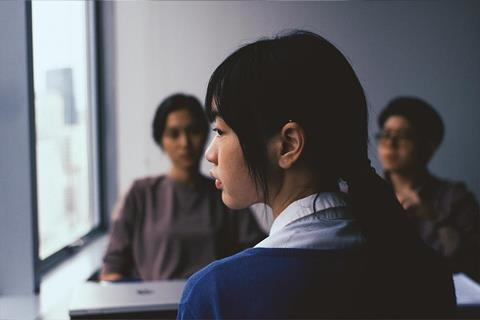
The film’s first half lingered on interviews; moments that feel almost transactional, yet deeply revealing. Interviewees for an opening in the company’s marketing team resisted or conceded to the company’s expectations, particularly the demand to work on Saturdays.
Jida stood out. Her steely attitude came off in a line mentioned in her interview: “My father beat me more harshly than paper being thrown at my face. I can take anything, right?” Her character was one who internalises perseverance, enduring verbal abuse at work.
Culture here is not abstract. It is formed through repeated compromises, quiet resignations, and the stories we tell ourselves about what we can endure.
Tenn’s arc offered another layer. Though perceived as privileged from his colleagues’ whispers of his easy life backed by a family business, he announced to Fren that he had chosen to leave the company, hinting at unseen pressures and alternative paths.
His exposure to globalised interviewees shaped by overseas education and work suggests a world where opportunities expand, but so do expectations. For would-be parents, this raises an unsettling consideration:
What kind of landscape will children need to navigate to simply belong?
Fren, at the center of the film, was suspended between these tensions.
Her pregnancy was hidden at the beginning: her ultrasound images tucked into a vacuum cleaner manual in random cabinet at home, as if her personal life must be filed away to make space for professional demands.
She often gazed into the distance, caught between thought and indecision, while news of global crises hums in the background. War, disease, and environmental collapse seeped into her consciousness, shaping not just her fears but her imagination of the future.

Thame, in contrast, embodies a quiet, active hope.
His excitement is not loud but expressed through preparation: cleaning the home, planning ahead, building relationships with a primary school years in advance.
Yet even his optimism falters when confronted with Fren’s assertion in a key part of the film: that the decision to carry their child to term ultimately rests with her.
In that moment of discussing abortion, the film acknowledges a deeper truth: bringing a child into the world is not just about readiness, but about responsibility, agency, and shared understanding.
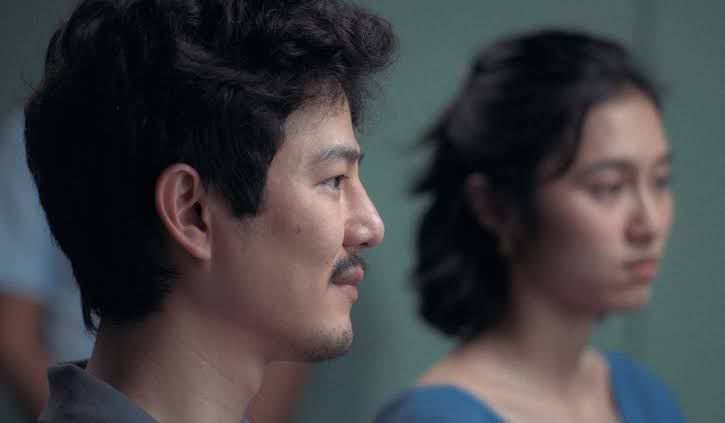
In a world marked by uncertainty, where scarcity, conflict, and instability feel ever-present, the decision to have a child can seem fragile, even irrational. And yet, Human Resource does not end in despair. Instead, it gestures toward a quieter, more demanding vision of hope.
If culture both in Thailand and in Singapore is a garden, then children are not simply additions to it, they are its future caretakers. To bring a child into the world is believing that this garden is still worth tending.