“It makes me feel really embarrassed when my friends say, ‘Why aren’t you allowed to spend the night?’ And I just say two words, ‘My Mom,’ and they understand,” said 11-year-old Chad on the Dr. Phil show, hosted by psychologist Dr. Phil McGraw.
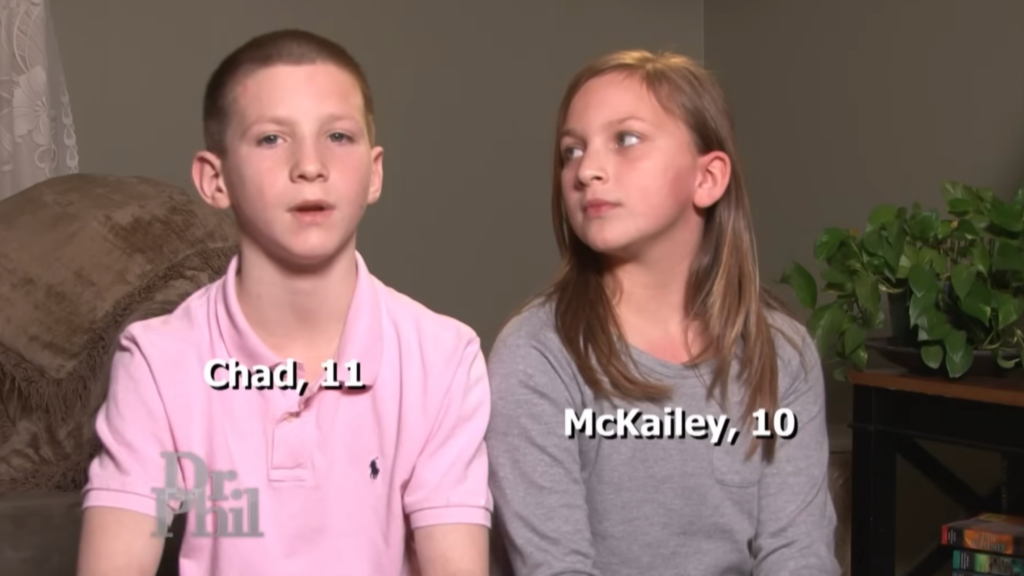
“I’ve never actually really found out what I like because I never actually had the chance to. My Mom really does need to stop being overprotective,” said Chad’s 15-year-old brother Robert. Robert said he was suffering in school because his mother Amy – a mother of five and self-professed “psycho over-protective mom” – does everything for him, and will not even let him do his own homework.
Unfortunately, her over-protectiveness drove her oldest daughter, Katelynn, to run away at age 14. Katelynn, who became pregnant at age 20, explained to her mother on the show that it was not because she wanted to leave her family, but because “I wanted you to hear me.”
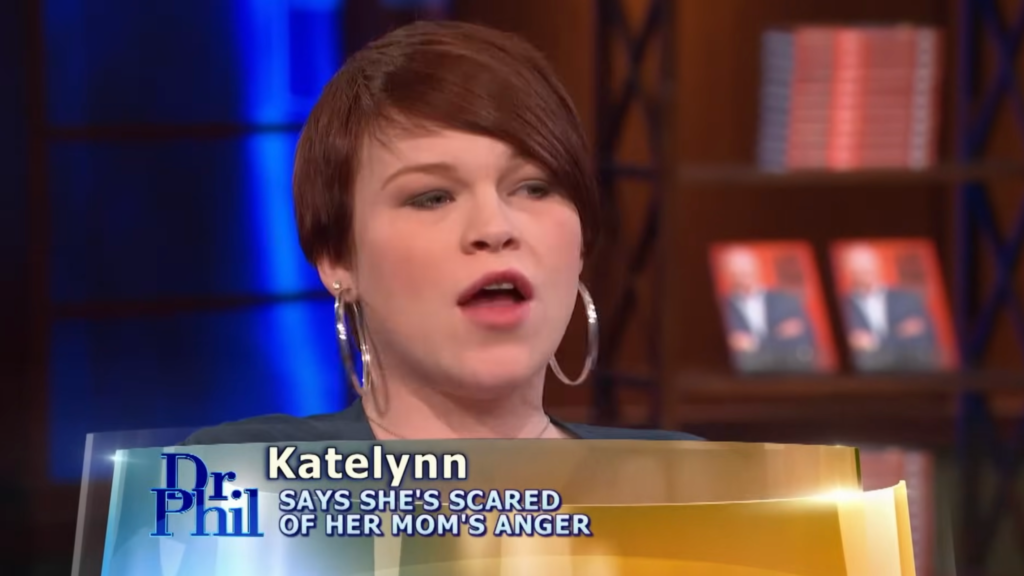
Yet this incident made Amy “grab on to the other ones even tighter”.
This family’s experience may be somewhat extreme, but highlights the dangers of overprotective parenting (also known as “helicopter parenting”) and some of the unfortunate ways it might backfire.
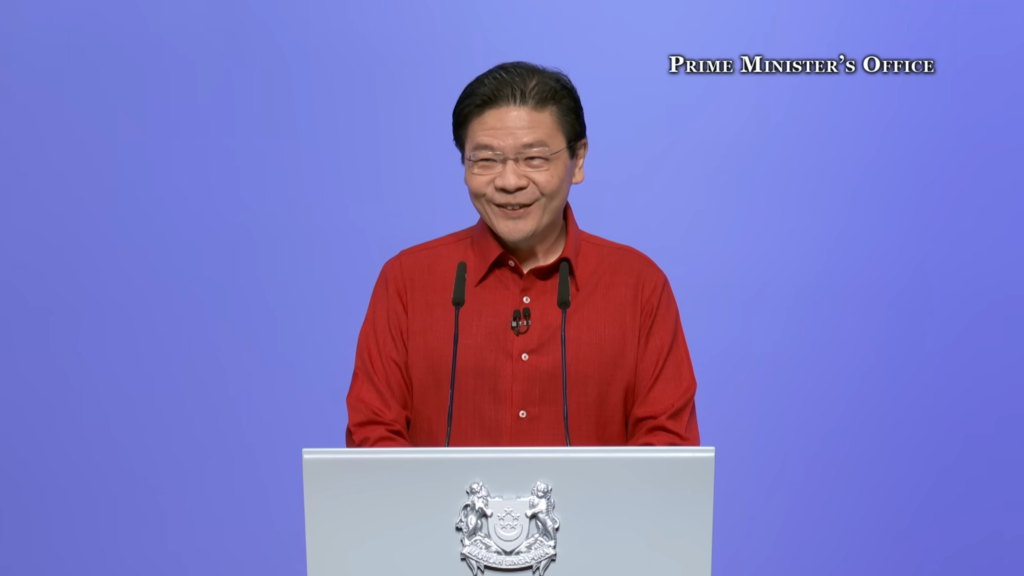
For most Singaporeans, one aspect of overprotectiveness is in the context of outdoor play. Prime Minister Lawrence Wong, in his 2025 National Day Rally speech, spoke of the importance of giving children the space “to explore on their own – to try, take some knocks, and get back up again. Through it all, they can learn, grow and gain confidence in the real world, not the virtual one.”
Protecting or Harming Children?
Although well-intentioned, overprotective parenting causes significant disadvantages to children in the long-term.
In a 2023 book Risky Play: An Ethical Challenge, philosopher Øyvind Kvalnes and childhood researcher Ellen Beate Hansen Sandseter showed a host of negative consequences in overprotected children, including:
- Various mental health consequences such as anxiety, depression, withdrawal, loneliness and low self-esteem;
- Lower levels of autonomy, competence, belonging and self-control;
- Higher levels of narcissism;
- Ineffective coping skills; and
- Poor adaptation in the workplace.
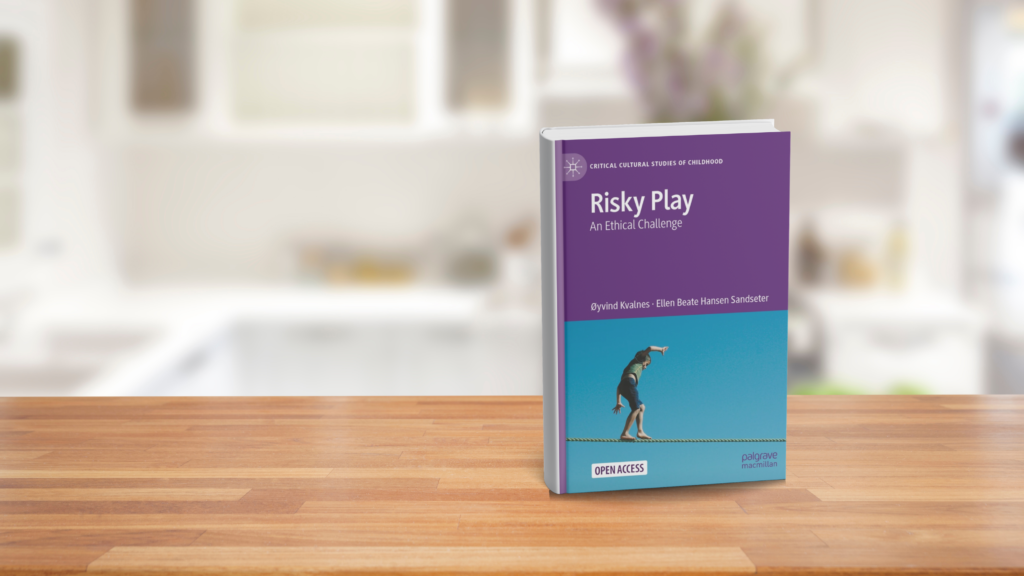
Overprotective parents send the message to their children that “they do not have the skills to succeed in dealing with challenges in the environment around them and life in general”. As a result, children may themselves be in doubt about their own competence and coping ability, which in turn makes them more withdrawn and further reduces the chances that they can develop appropriate problem-solving skills.
It creates “learned helplessness” in children, where they do not develop the ability to master challenges on their own because of their reliance on others to solve problems for them.
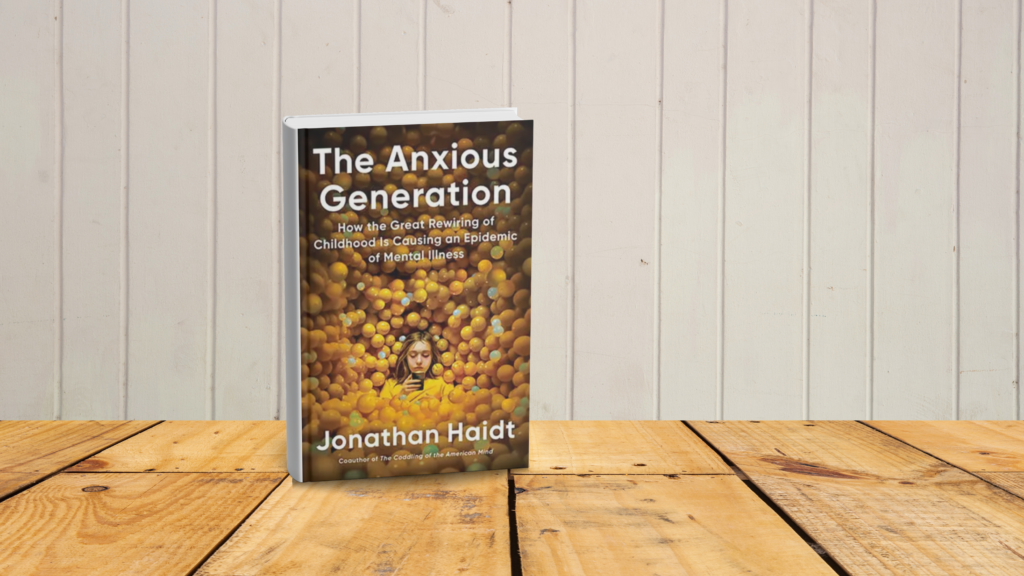
Social psychologist Jonathan Haidt echoed similar findings and concerns in his 2024 New York Times bestseller, The Anxious Generation: How the Great Rewiring of Childhood Is Causing an Epidemic of Mental Illness. Describing children as “antifragile” by nature, Haidt emphasises that children should be exposed to risk as part of healthy growth: “Just as the immune system must be exposed to germs, and trees must be exposed to wind, children require exposure to setbacks, failures, shocks, and stumbles in order to develop strength and self-reliance. Overprotection interferes with this development and renders young people more likely to be fragile and fearful as adults.”
How “Helicopter Parenting” Makes it Hard for Everyone

An overprotective parent also makes it difficult for everyone around when the parent tries to impose one’s will on others.
Parents and parenting attitudes can affect society and culture in more ways than one.
This may involve things like pressuring or demanding other parents to remove certain toys or stop certain activities at playdates or group activities in a bid to “bubble-wrap” the child.
It could also involve overprotective “helicopter” parents who unfairly criticise and harass teachers in efforts to shield their children.
In more extreme cases, parents may threaten or start lawsuits when their children get hurt, even when the child is sufficiently mature and is at fault. In one rather absurd 2016 case from the United States, a 13-year-old Boy Scout at a camp sprayed water at other boys, ran out of the shower and fell. His parents sued the Boy Scouts for inadequate supervision. Ironically, adults were not allowed in or near the shower house, to avoid the appearance of impropriety.
The case was dismissed by the New York Supreme Court. Judge Barbara Jeffe noted that: “a parent who permits his or her child to attend an overnight camping trip in the woods where the child will be taught skills related to understanding and surviving outdoor conditions, is presumably aware of the hazards and risks of injury associated with such conditions”.
In a 2017 local case, a parent sued a school for confiscating his son’s phone for three months, after the boy had used the phone during school hours in breach of the school rules.
Even though both cases were dismissed by the respective courts, incidents like these can cause much stress and pressure on staff at these institutions. They also distract the educators from their work.
If institutions like schools and courts begin to give in to unreasonable demands of overprotective parents, these could feed a wider culture of entitlement among children and their parents, with negative consequences for children’s long-term development and society at large.
Resisting the Temptation to “Hover”
Should parents prepare their children for the world, or prepare the world for their children?
In parenting, the former option seems more feasible and realistic. The story of overprotective parents shows the profound link between parenting practices and their impact on wider society, affecting this and the next generation.
Judging from the various articles and commentaries published in mainstream media (such as The Straits Times and CNA), academia and parenting websites, “helicopter parenting” seems to be a well-known phenomenon here. As one anecdote from Grander Together’s “Apparently” webinar showed, grandparents could also be the overprotective ones.

Then-Deputy Prime Minister Tharman Shanmugaratnam alluded to this trend in 2019, when he described Singaporean parents as being “a little risk-averse, so they err on the side of overdoing things”. Comparing this to the rise of “helicopter parenting” in the United States, he noted various documented long-term negative psychological effects on children, namely: “a greater sense of anxiety, a loss of their sense of individuality and independence, and less resilience”.

Practically, for us in society, how would resisting that temptation to “hover” look like?
Here are some tips, which we adapt from Kvalnes and Sandseter:
- Politicians and legislators should ensure that laws and regulations regarding children’s upbringing, play, and learning do not create a culture where it becomes common to sue each other whenever things go wrong.
- Educators should apprise the parents and guardians of the benefits of learning risk-management, learning and taking personal responsibility, even as they also discuss the relevant risks, safety measures and other boundaries put in place.
- While parents and guardians of children must set boundaries, they should also provide the necessary freedom so that children can explore their own boundaries and
explorediscern what is safe or dangerous in the environments in which they engage in.
In sum, the goal is to be – adapting a phrase from Kvalnes and Sandseter – “as safe as necessary, not as safe as possible”. It is not appropriate to try to protect children and young people from any and every negative experience; instead a balance needs to be struck between exposing them to moderate and increasing levels of risk as they mature, while protecting them from serious or irreparable harm.